A Deep Dive into the World of Anime: Where Storytelling Meets Art and Culture
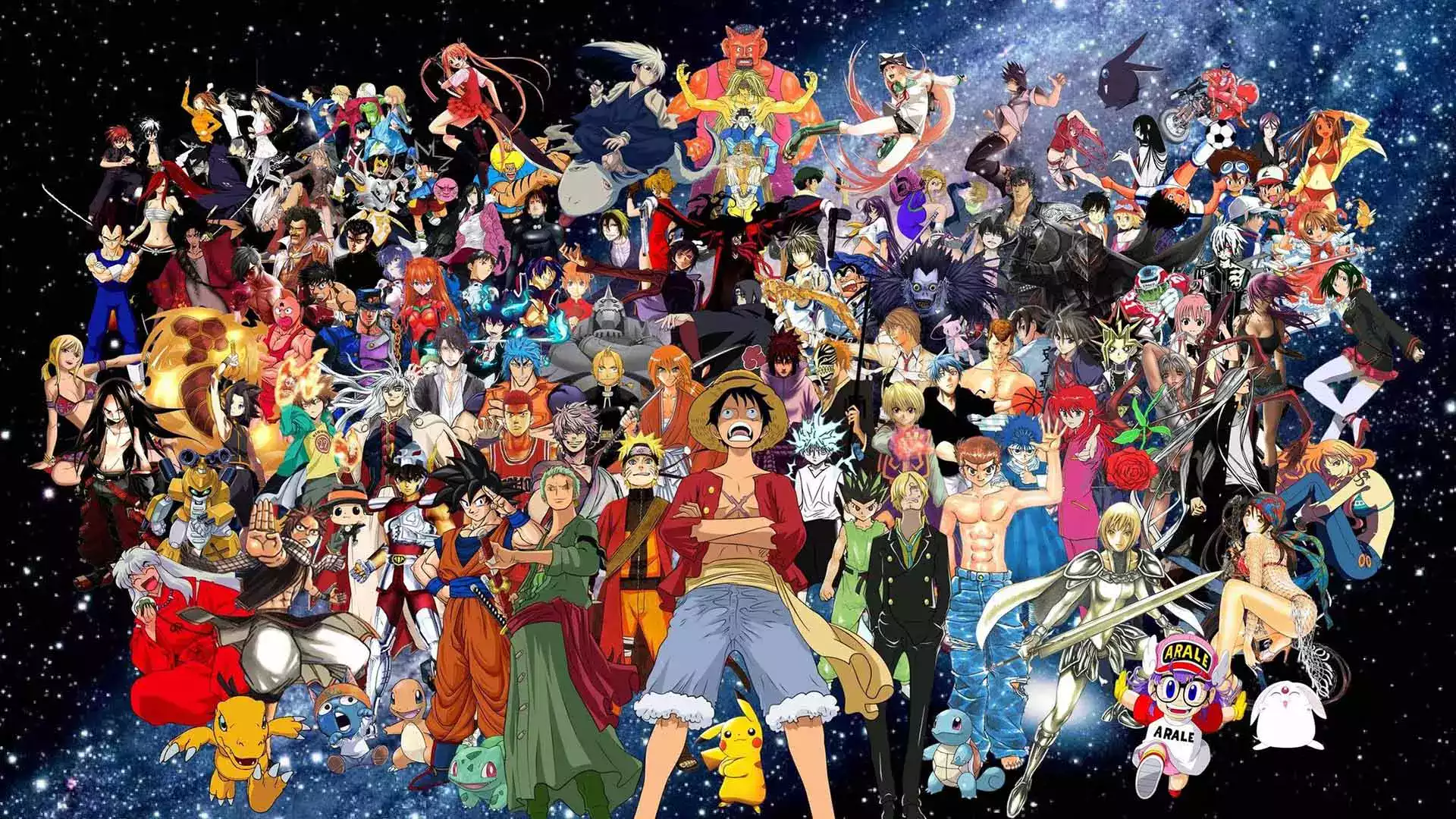
A Deep Dive into the World of Anime: Where Storytelling Meets Art and Culture
In recent years, anime has evolved from a niche interest into a global phenomenon. What was once primarily associated with Japanese entertainment is now embraced by millions of fans worldwide. But anime is more than just animated content—it is a unique storytelling medium, a cultural bridge, and for many, a way of life.
In this article, we’ll explore what makes anime so special, its origins, its diversity, and why it continues to captivate audiences across the globe.
What Is Anime? More Than Just Cartoons
Anime refers to animated works produced in Japan. However, unlike Western cartoons, anime is not limited to children’s entertainment. It spans a wide range of genres and themes, targeting audiences of all ages—from young kids to adults.
What truly sets anime apart is its willingness to explore complex ideas. Topics such as identity, morality, trauma, love, and existentialism are commonly addressed, making anime both entertaining and thought-provoking.
A Brief History of Anime
The roots of anime date back to the early 20th century, but it began gaining real momentum in the 1960s with the rise of television. During this time, creators developed new techniques to produce serialized animated content efficiently.
The 1980s and 1990s are often considered the “golden age” of anime, when many iconic series and films were released. These works helped introduce anime to international audiences. Today, with the rise of streaming platforms, anime is more accessible than ever before.
Genres of Anime: Something for Everyone
One of anime’s greatest strengths is its incredible diversity. No matter your interests, there’s an anime for you:
Shounen (Targeted at Young Boys)
Focused on action, adventure, friendship, and personal growth. These series often feature epic battles and strong character development.
Shoujo (Targeted at Young Girls)
Centers around romance, emotions, and relationships, often with a strong focus on character feelings and personal connections.
Seinen (For Adult Men)
More mature and complex, often dealing with darker themes, psychological depth, and realistic storytelling.
Josei (For Adult Women)
Explores everyday life, relationships, and emotional realism in a grounded and relatable way.
Isekai (Another World Stories)
Characters are transported to or reborn in a different world, usually filled with fantasy elements. This genre has become extremely popular in recent years.
And Many More
From mecha (giant robots) to horror, fantasy, sci-fi, and slice of life—anime offers endless variety.
What Makes Anime Unique?
1. Deep Storytelling
Anime often goes beyond surface-level narratives. It builds rich worlds and explores characters in depth, allowing viewers to emotionally invest in their journeys.
2. Memorable Characters
Anime characters are rarely perfect. Their flaws, struggles, and growth make them feel real and relatable. This emotional connection is one of the reasons fans become so attached.
3. Visual Aesthetics
Anime is known for its distinctive art style. From detailed backgrounds to expressive character designs, every frame can feel like a piece of art.
4. Music and Sound Design
Opening and ending theme songs are a core part of anime culture. Many of these songs become iconic and strongly associated with the series they represent.
Anime as a Cultural Gateway
Anime also serves as a window into Japanese culture. Through it, viewers can experience traditions, festivals, food, school life, and social dynamics unique to Japan.
In this sense, anime has become a powerful cultural export, increasing global interest in Japanese language, travel, and lifestyle.
How to Start Watching Anime
If you’re new to anime, getting started can feel overwhelming. Here are a few simple tips:
-
Begin with shorter series
-
Choose a genre that matches your interests
-
Avoid very long series at first
-
Start with popular or beginner-friendly titles
Watching in the original Japanese with subtitles is often recommended for a more authentic experience.
The Anime Community and Fandom
Anime is not just something you watch—it’s something you experience with others. The global fandom includes cosplay, fan art, online discussions, and conventions.
Fans actively engage with their favorite series, creating theories, artwork, and even dressing up as beloved characters.
Criticism and Controversy
Despite its popularity, anime is not without criticism. Some series rely on repetitive tropes or include exaggerated or unnecessary elements.
However, the sheer variety within anime ensures that high-quality, meaningful content is always available for those who seek it.
Conclusion: Anime Is an Experience
Anime is more than entertainment—it’s an emotional and intellectual journey. It invites viewers to explore new worlds, understand different perspectives, and connect with unforgettable characters.
If you haven’t explored anime yet, now might be the perfect time to start. Because once you enter this world, you may never want to leave.